Causes & Risks of Crooked Teeth
Crooked teeth are more than just a cosmetic concern—they can affect how you eat, speak and clean your teeth, and may contribute to long‑term oral health issues. The good news is that modern dentistry offers several ways to gently and effectively straighten teeth at almost any age.
What do we mean by “crooked teeth”?
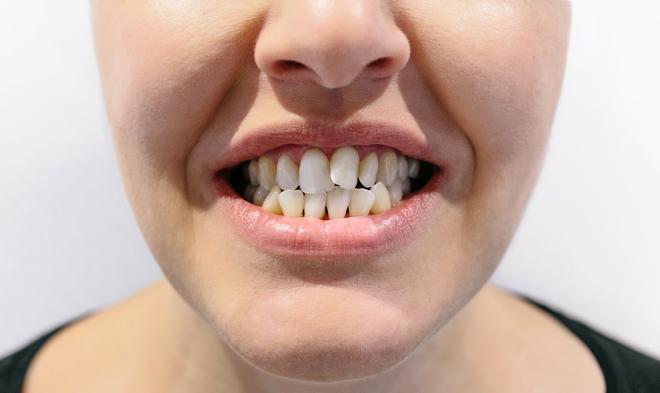
Dentists use the term malocclusion to describe teeth that are crowded, rotated, spaced, or where the upper and lower teeth do not meet properly. Common patterns include:
- Crowding, where there is not enough room in the jaw and teeth overlap or twist.
- Gaps, where spaces appear between teeth due to extra space in the jaw or missing teeth.
- Overbite or deep bite, where the upper front teeth significantly cover the lower front teeth.
- Underbite, where the lower teeth sit in front of the upper teeth when you bite together.
- Crossbite, where some upper teeth bite inside the lower teeth, rather than outside as they should.
These patterns can appear in one tooth, several teeth or the whole bite.
What causes crooked teeth?
Crooked teeth can have many causes, often a combination of genetics and lifestyle factors.
- Genetics and jaw size: If you have a naturally small jaw or inherited crowded teeth, there may simply not be enough space for all teeth to sit in line.
- Early loss of baby teeth: When baby teeth are lost too soon, neighbouring teeth can drift, leaving less room for permanent teeth to come through straight.
- Habits in childhood: Thumb sucking, long‑term dummy (pacifier) use, or tongue thrusting can change the shape of the developing jaws and the position of teeth.
- Trauma or injury: A fall, sporting accident or knock to the jaw can shift teeth or affect how new teeth erupt.
- Impacted or extra teeth: Teeth stuck in the bone or extra teeth can create crowding or push other teeth out of position.
Understanding the underlying cause is important because it influences which treatment options will work best.
Why crooked teeth are more than a cosmetic issue
Many people consider crooked teeth a purely aesthetic concern, but they can have real health impacts.
- Harder to clean: Overlapping or rotated teeth create tight spaces that are difficult to reach with a toothbrush and floss, increasing the risk of tooth decay and gum disease.
- Increased wear: When teeth don’t meet properly, some teeth may wear faster or chip more easily.
- Jaw strain: A misaligned bite can put extra stress on the jaw joints and muscles, potentially contributing to jaw pain, headaches or discomfort when chewing.
- Self‑confidence: Many people with crooked teeth feel self‑conscious about smiling, which can affect social interactions and overall confidence.
Treating crooked teeth can therefore improve oral health as well as appearance.
Treatment options for crooked teeth
The best treatment depends on age, the severity of the misalignment and your goals. Options may include:
- Clear aligners: A series of nearly invisible, removable trays that gently move teeth into a better position over time.
- Traditional braces: Brackets and wires fixed to teeth that progressively straighten them and correct the bite.
- Ceramic or tooth‑coloured braces: Similar to metal braces but with less noticeable materials.
- Limited cosmetic alignment: For minor crowding of the front teeth, short‑term orthodontic treatment may focus on improving the visible smile rather than the whole bite.
- Restorative options: In some adult cases where small rotations or gaps remain, veneers or crowns may be used to refine the shape and appearance of teeth.
Our dentists will first take a detailed history, examine your teeth and may use photos, x‑rays and digital scans to plan a customised treatment.
When to see a dentist about crooked teeth
It’s worth booking an assessment if:
- You’re unhappy with the appearance of your smile.
- You find it hard to clean certain areas properly.
- Your teeth chip, wear or feel uneven when you bite.
- You experience jaw discomfort or headaches, especially when chewing or on waking.
Why choose Mason Square Dental for correcting your crooked teeth
Mason Square Dental has been caring for Moonee Ponds and surrounding suburbs for decades, now in a modern clinic equipped with the latest technology and a highly experienced team. The dentists use high‑quality materials and collaborate with trusted Australian laboratories, reflecting a strong focus on durability, precision and local support.
Learn more about our Restorative Dentistry here, or make an online booking.
